
Root Canal Therapy In Colac
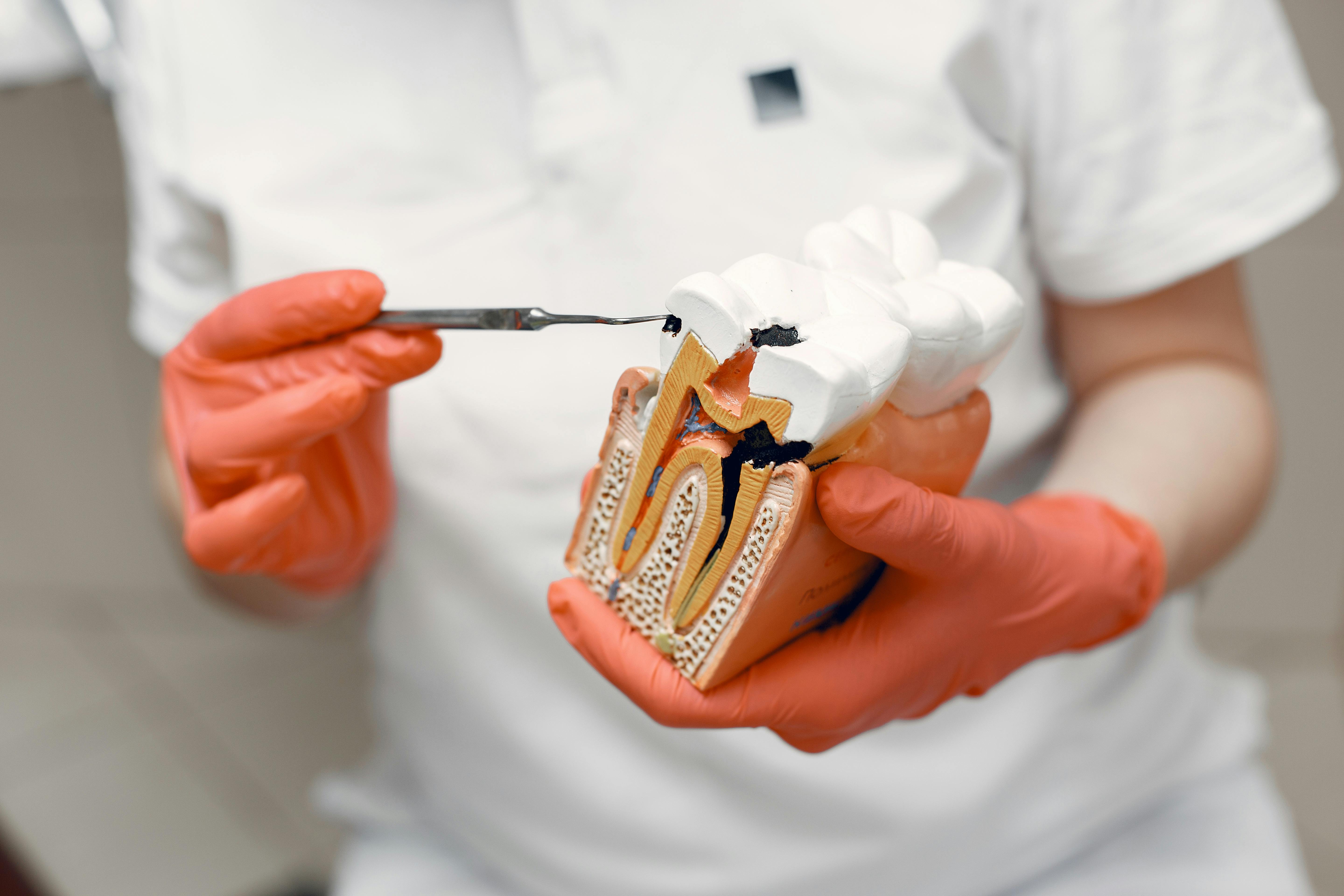
Root canal therapy is designed to save a tooth when the inner nerve (pulp) becomes infected or inflamed—often from decay, cracks, or injury. By removing the infection and sealing the tooth, we stop the pain while helping you keep your natural tooth for years to come.
When a Root Canal May Be Needed
You may need treatment if you experience:
Pain when chewing or biting
Ongoing or throbbing toothache
Sensitivity to hot or cold
Swelling or tenderness around the tooth or gums

What to Expect During Root Canal Therapy
We make the procedure as comfortable and stress-free as possible:
Exam & X-Rays – A full assessment and X-rays help us locate the infection and plan treatment.
Local Anaesthetic – The tooth is completely numbed; most patients say it feels similar to a standard filling.
Cleaning the Tooth – The damaged pulp is removed, and the root canals are cleaned to eliminate bacteria.
Sealing & Restoration – The tooth is sealed to prevent reinfection. A crown or porcelain filling may be recommended to restore strength and function.
Benefits of Root Canal Treatment
Relieves pain caused by infection
Saves your natural tooth
Prevents infection from spreading to other teeth or the jaw
Restores chewing comfort and function

Frequently Asked Questions
Is a root canal painful?
No, with modern techniques and local anaesthetic, most people find it no more uncomfortable than a regular filling.
How long does a root canal take?
Most treatments take about 60–90 minutes. In some cases, a second or third visit may be needed for a crown or final restoration.
How do I know if I need a root canal?
Common signs include pain, sensitivity, swelling, or a darkened tooth. Your dentist will confirm with an exam and X-rays.
What if I don’t get a root canal?
The infection can worsen, causing pain, swelling, and may lead to tooth loss or spread to other areas.
What should I do after a root canal?
Brush and floss daily, avoid chewing on the treated tooth until it’s fully restored, and attend follow-ups. A crown or filling may be needed for protection.